Driving a sustainable floriculture sector
As a leading supplier of flowers and plants to food retailers across Europe, we recognize the important role we play in driving a more sustainable floriculture sector. Together with our growers, customers and partners, we continuously work to improve transparency, quality and sustainability throughout the floral supply chain.
As part of Dutch Flower Group, our sustainability approach is aligned with the IMPACT2030 strategy and supported by recognised standards and initiatives. Working closely with growers, customers and partners, we aim to create positive environmental and social impact throughout the floriculture value chain.
packaging
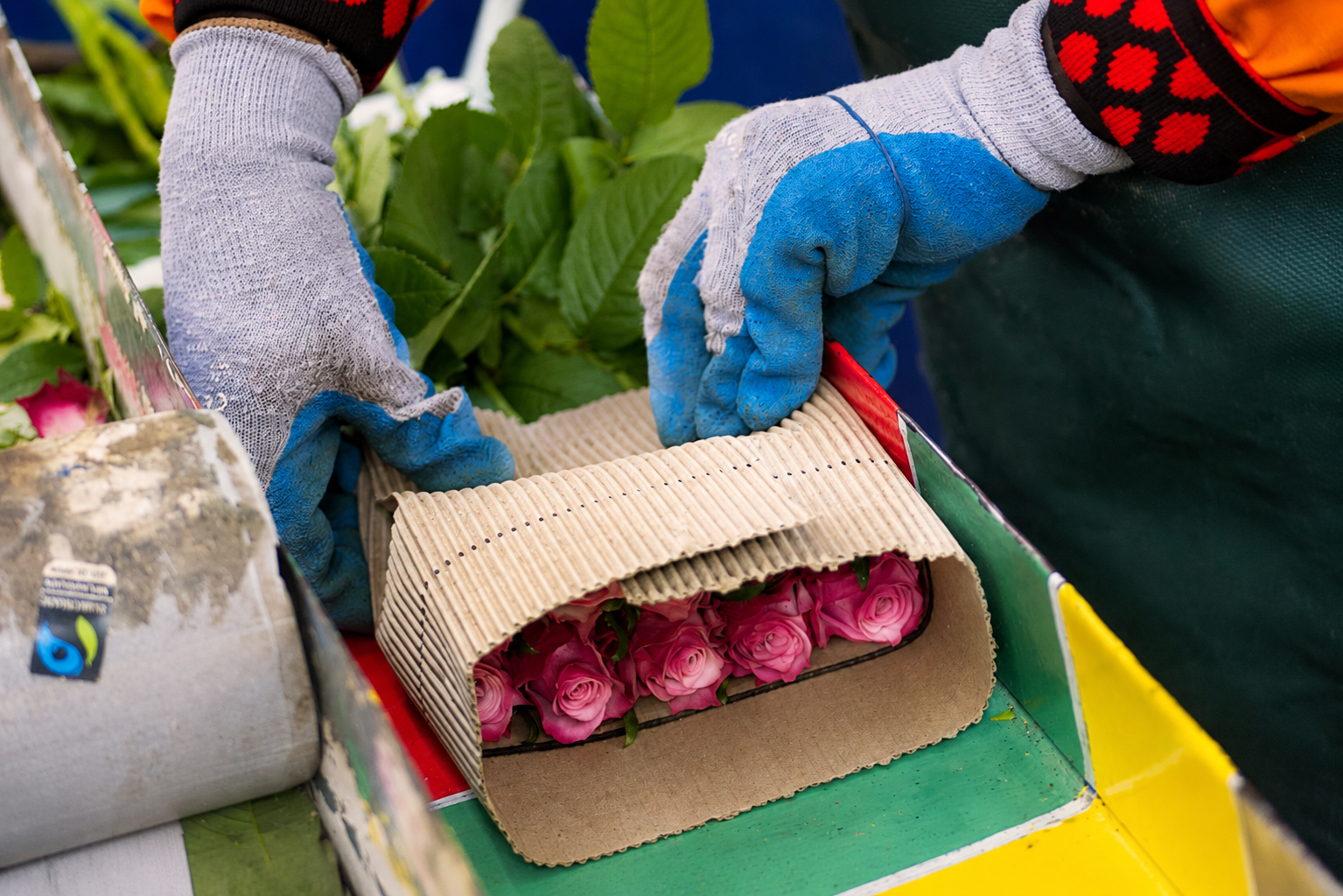
Packaging is an essential part of the flower and plant supply chain. It protects flowers and plants, helps maintain product quality from grower to consumer, and supports efficient transport and handling. At the same time, it is one of the most visible parts of our environmental footprint. That is why we continuously work to make our packaging lighter, smarter and more circular, without compromising product quality.
Sustainability goes beyond packaging alone. We work on reducing emissions, responsible water use, crop protection, working conditions and traceability throughout our operations and supply chain. Packaging is one part of that bigger picture, but it is the part that travels furthest. It remains in your store and goes home with your consumer, making its impact highly visible.
Because flowers and plants are living and fragile products, packaging has an important role to play. It protects products during transport, helps keep them hydrated where needed and carries essential information throughout the supply chain. Packaging can also fulfil specific functional requirements, such as supporting product presentation and meeting customer and consumer expectations. We believe packaging should have a clear function and add value throughout the chain, from efficient handling and product protection to the consumer experience.
We constantly evaluate and develop the right packaging solutions for every flower and plant, helping to reduce damage, improve efficiency and make handling easier. The result is a product that reaches consumers in the condition they expect.
We continuously challenge ourselves to use only what is necessary. We look critically at weight, layers, empty space and materials that add environmental impact without adding value. Our goal is to reduce packaging where possible, increase the use of recycled materials and choose packaging solutions with a lower environmental impact. We aim to make all our packaging solutions 100% recyclable by 2030 at the latest and continuously increase the use of post-consumer recycled (PCR) content in our packaging.
Where packaging is needed, we design it with circularity in mind. We aim to use materials that can be recycled within existing waste streams, support reuse where possible and favour single materials over combinations that are difficult to separate and recycle. When a consumer is finished with the packaging, it should have the best possible chance of being recovered and recycled.
That’s why circularity is about more than recyclability alone and makes reuse another key element of our approach. We encourage and facilitate the reuse of transport packaging throughout the supply chain, including pallets, containers, flower boxes, buckets and sleeves, while striving to minimise the transportation of empty space. Thereby, we actively contribute to the development of a reusable flower bucket system within the floriculture supply chain and see this as an important step towards a more circular supply chain.
Every new generation of packaging should be lighter, cleaner and easier to circulate than the one before, while continuing to protect product quality.
We prefer to work towards what is coming rather than wait until the date arrives. Meeting laws and regulations is essential, and the requirements around packaging will keep tightening. Meeting the minimum is a given. We make sure we comply, and we help you stay compliant too.
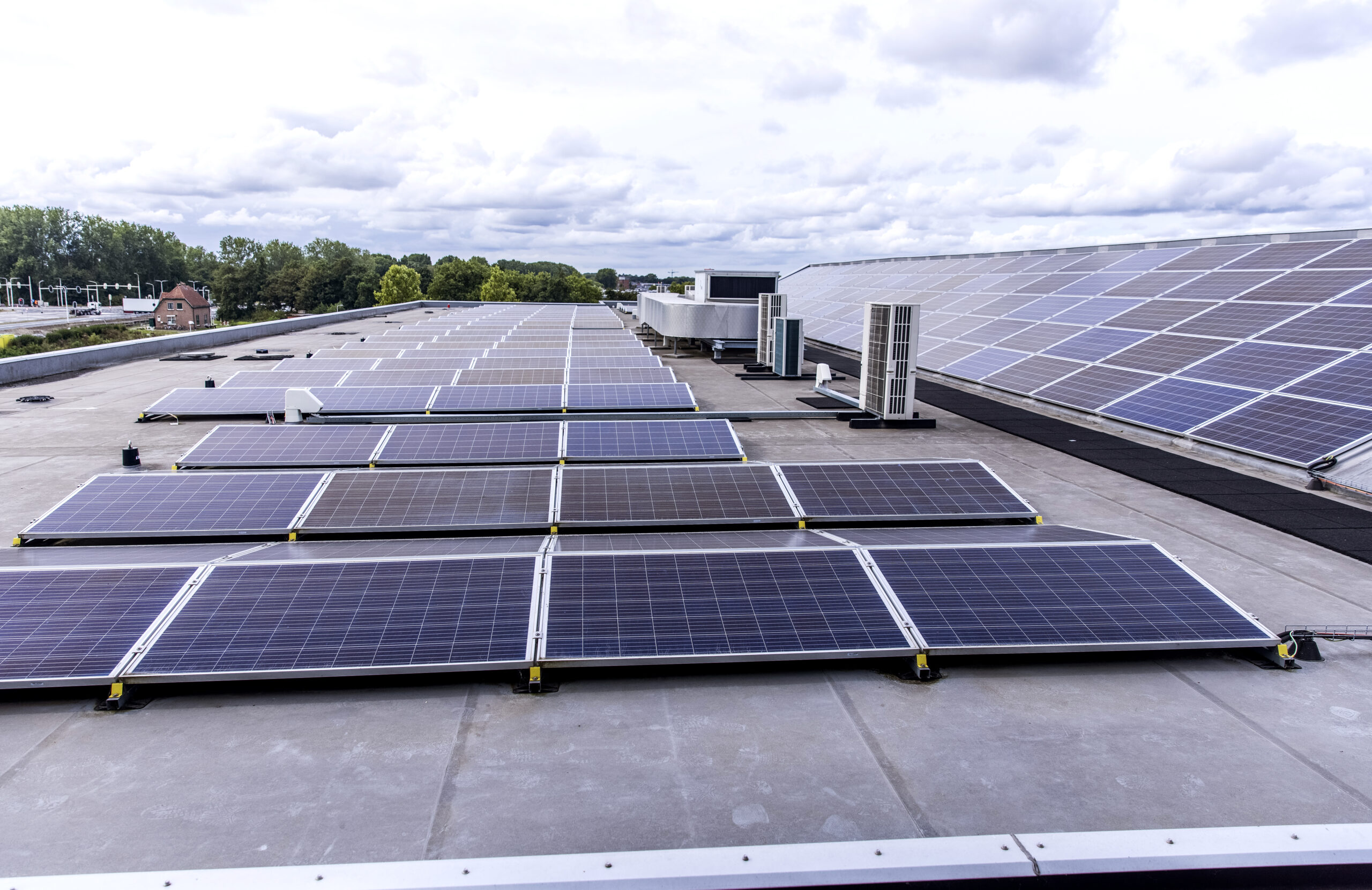
All of this sits within IMPACT2030, the sustainability strategy of Dutch Flower Group: certified sourcing, decisions based on data, and close cooperation with growers and partners throughout the chain.
Crop Protection
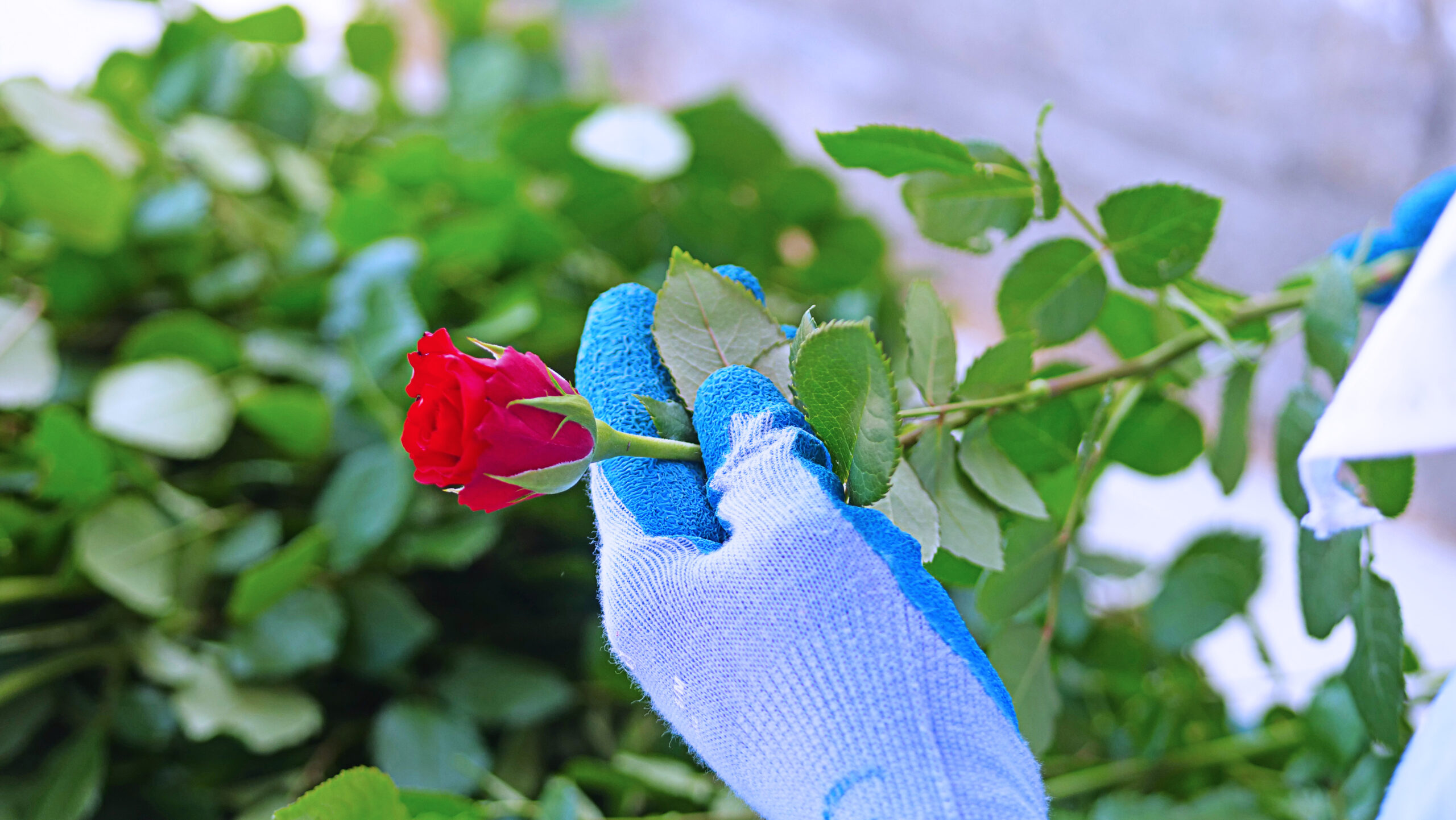
Protecting flowers and plants from pests and diseases is an important part of ensuring product quality and continuity throughout the supply chain. At The Floral Connection, we work closely with growers to promote responsible crop protection practices while meeting customer, certification and regulatory requirements.
We strive to be 100% compliant with customer-specific requirements, Fairtrade guidelines and MPS prohibited substances lists. To support this, independent laboratory testing is carried out on randomly selected flower samples from our supply chain. These tests measure the presence and quantity of pesticide residues and help verify compliance.
We actively support growers in reducing the use of crop protection products and increasing compliance with industry standards. That’s why the results of the testings are shared with growers to identify opportunities for improvement. Through this collaborative approach, we work towards eliminating the use of prohibited substances and maintaining high compliance standards.
At the same time, we encourage the adoption of biological pest control methods, reducing the reliance on conventional crop protection products. We also collaborate with breeders to develop more resilient flower varieties that require fewer inputs while maintaining product quality. Our sourcing decisions take into account a grower’s commitment to continuous improvement in crop protection and sustainability.
Social impact
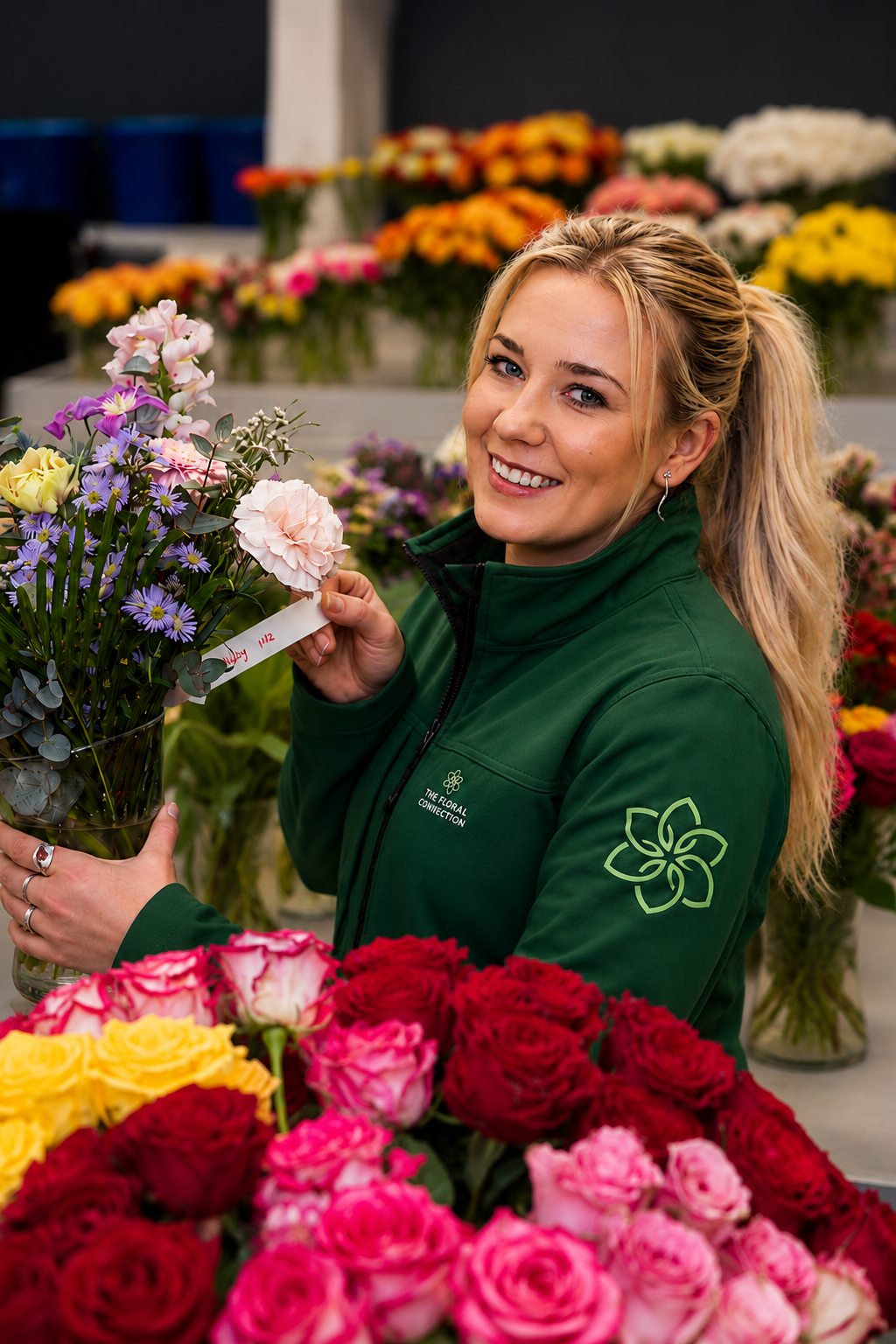
We are committed to creating an inclusive workplace where everyone has equal opportunities to grow and succeed, regardless of gender. We promote equal pay for equal work and support equal access to development and leadership opportunities.

fairtrade
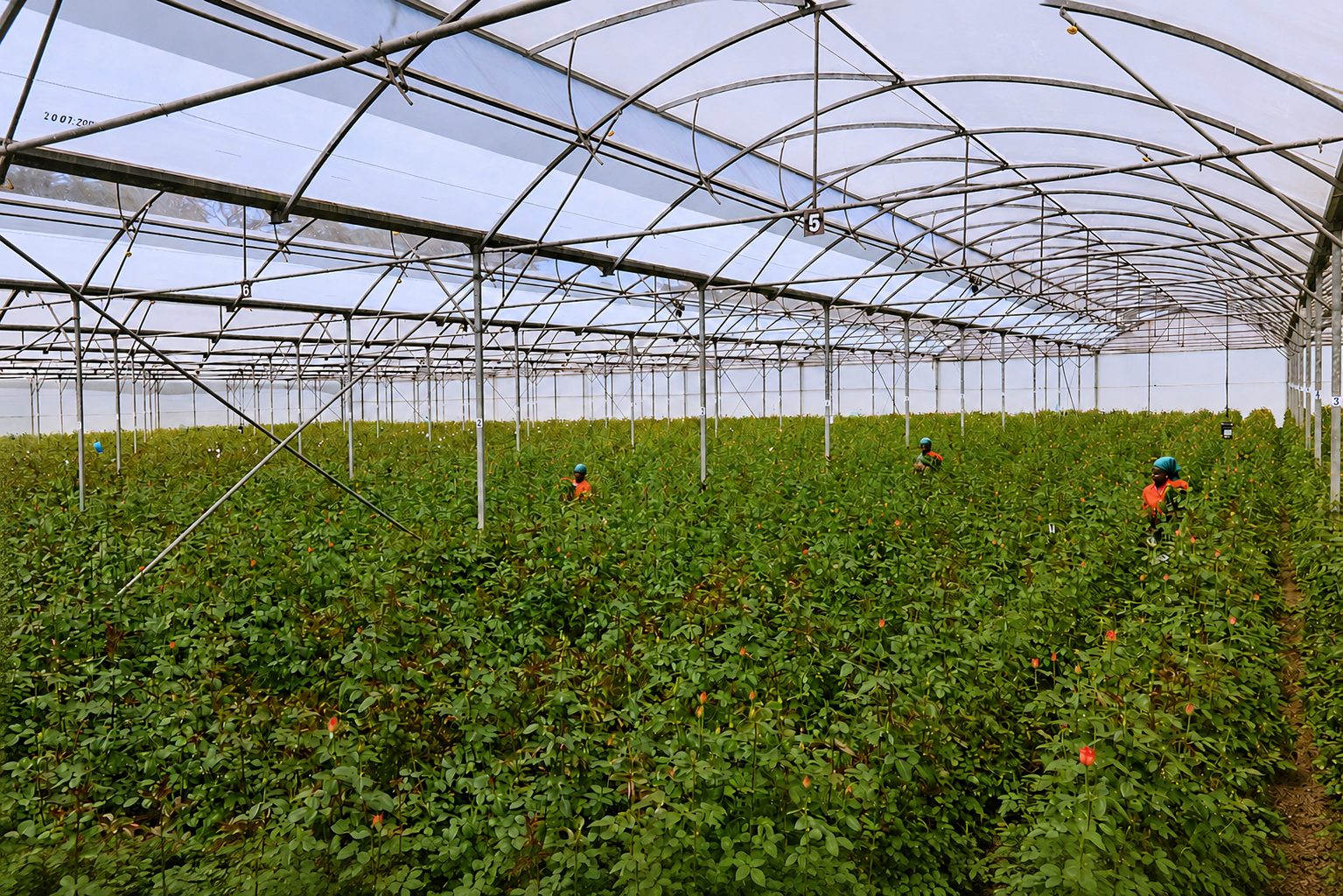
We are one of the largest suppliers of Fairtrade flowers and plants within Dutch Flower Group. Through Fairtrade Premium-certified products, we invest in projects that benefit workers and local communities. These projects help improve access to education, healthcare and equal opportunities in key growing regions such as Kenya and Ethiopia.
That’s why long-term partnerships with our growers play an important role in this as well. By working together over many years, we can support initiatives that respond to local needs and create lasting benefits for workers, their families and local communities.
Creating Opportunities in Ethiopia and Kenya
In Ethiopia, Fairtrade Premium funds have contributed to the development of a Special Needs School, where children with hearing, visual, mental and physical disabilities receive tailored education in small groups. Additional investments support healthcare facilities, including an on-site clinic, as well as community initiatives that improve access to affordable food and educational programmes for local families.
In Kenya, Fairtrade investments support projects focused on education, childcare, health and wellbeing. Besides, hundreds of employees’ children receive support for school fees, while the Daycare Centre provides daily childcare close to the workplace. Fairtrade funds also contribute to healthcare services, training programmes and access to affordable nutritious meals.
By working together with growers, customers and partners, we strive to create value that extends beyond our products and contributes to stronger communities and a more sustainable future.
Social Causes
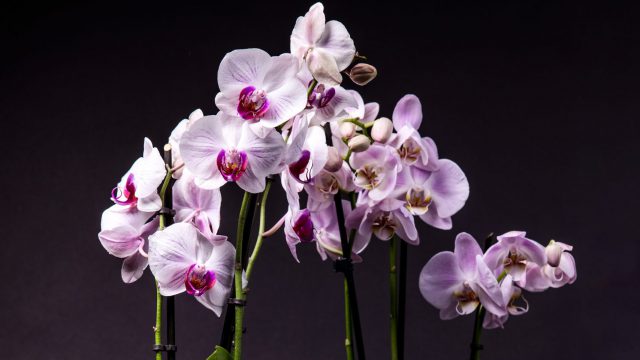
We supply bouquets and plants for customers that dedicate campaigns to charitable causes. Through these initiatives, retailers support organizations such as the Alzheimer Foundation and Pink Ribbon, helping to fund research, patient care and awareness programmes.
Together, we strive to create long-term value across the supply chain and contribute to a more sustainable future.